
Tendon & tissue repair
Studied extensively in tendon, ligament and soft-tissue repair research, the area BPC-157 is best known for.
BPC-157 Bali supplies genuine, research-grade BPC-157 (Body Protection Compound), in 5mg and 10mg vials plus the popular BPC-157 + TB-500 stack and pen, with discreet same-day cold-chain delivery and simple WhatsApp ordering.
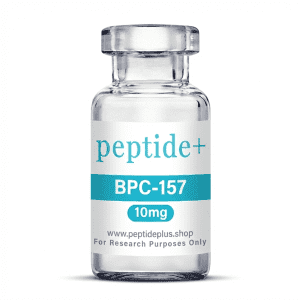
BPC-157 (Body Protection Compound-157) is a synthetic pentadecapeptide, a chain of 15 amino acids derived from a protein sequence found in gastric juice.
It is one of the most-studied compounds in tissue-repair research, investigated across tendon, ligament, soft-tissue and gut research models, and frequently studied alongside TB-500 in the popular recovery stack.
BPC-157 Bali supplies the compound in several research formats so labs can match it to their protocol. Everything we ship is for laboratory research use only.
Studied extensively in tendon, ligament and soft-tissue repair research, the area BPC-157 is best known for.
Investigated in gut-lining and digestive-system research models, reflecting its origin in a gastric protein sequence.
Examined in recovery and inflammation research, often paired with TB-500 in the popular research stack.
We focus on what we can stand behind: a genuine, research-grade compound, careful cold-chain handling, and fast, discreet delivery across Bali.
Research-use pricing, current June 2026. Confirm the latest stock and price on WhatsApp.
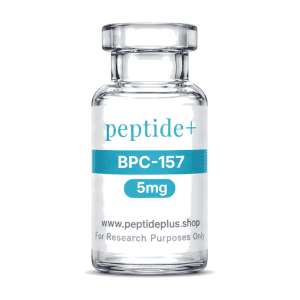
Standard lyophilised research vial. Reconstitute with bacteriostatic water for flexible measuring across protocols.
Higher-strength lyophilised research vial for protocols that need more compound per vial.
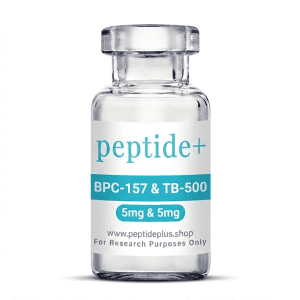
The popular recovery stack, 5mg BPC-157 with 5mg TB-500, studied together for tissue repair.
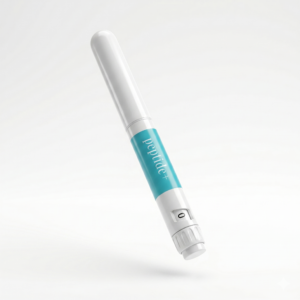
Pre-measured research pen. Arrives ready to use, with no reconstitution and no measuring.
Prices in Indonesian Rupiah · Payment on delivery confirmation · Nationwide shipping available
BPC-157 on its own, or paired with TB-500 in the popular recovery stack. Here is how the formats compare.
| Attribute | BPC-157 Vial (5mg / 10mg) | BPC-157 + TB-500 Stack |
|---|---|---|
| Compounds | BPC-157 only | BPC-157 + TB-500 (thymosin beta-4) |
| Research focus | Tissue, tendon and gut research | Combined tissue-repair and recovery research |
| Preparation | Reconstitute with bacteriostatic water | Vial stack, or pre-measured pen (no prep) |
| Measuring flexibility | High, set your own volumes | Flexible (vial) or fixed (pen) |
| Best for | Focused BPC-157 research protocols | The popular combined recovery research stack |
| Price (IDR) | 1,000,000 / 1,500,000 | 1,900,000 stack · 2,900,000 pen |
Research-grade BPC-157 sourced for purity and batch-to-batch consistency you can plan a study around.
Same-day, discreet, cold-chain delivery across Bali (villa, clinic or lab) in plain, unmarked packaging.
Clear WhatsApp guidance on reconstitution, storage and the BPC-157 + TB-500 stack, before and after your order arrives.
Tell us the format you want and your area in Bali. We confirm current stock, price and delivery window.
Discreet, cold-chain delivery to your door across Bali, usually within a few hours. Payment on confirmation.
Guidance on reconstitution and storage whenever you need it. We stay reachable after the handover.
Ordered to my villa in Canggu and it arrived the same afternoon. Genuine product, exactly as described.
Very responsive on WhatsApp and helped me with the BPC and TB-500 stack questions.
Discreet packaging and professional service. Reliable, same-day delivery. Will order again.
| Compound | BPC-157 (Body Protection Compound-157) |
|---|---|
| Class | Synthetic pentadecapeptide |
| Format | Lyophilised vial, BPC-157 + TB-500 stack, or pen |
| Strength | 5mg / 10mg |
| Purity | 99%+ research-grade |
| Storage | Cool, dark; refrigerate after reconstitution |
| Reconstitution | Bacteriostatic water (vial) |
| Delivery | Same-day across Bali; nationwide shipping |
| Intended use | Laboratory & research only |
BPC-157 is a synthetic pentadecapeptide, a chain of 15 amino acids, derived from a protein sequence found in gastric juice. Because it is a stable fragment rather than the whole parent protein, researchers studying BPC-157 in Bali are working from a wide evidence base built across many animal models rather than one narrow area of study.
Much of the published work on BPC-157 comes from a research group led by Predrag Sikiric in Croatia. An early study, published in the Journal of Physiology Paris in 1997, tested the peptide in rats against gastrointestinal lesions caused by anti inflammatory drugs and against adjuvant arthritis. Later work moved into tendon research: a 2003 study by Staresinic and colleagues in the Journal of Orthopaedic Research looked at BPC-157 in transected rat Achilles tendons and in tendon cell cultures, and a 2006 study by the same group in the same journal examined the peptide in a rat model of transected quadriceps muscle.
More recent research has extended into vascular tissue. A 2026 study in the Journal of Clinical Medicine tested BPC-157 in isolated segments of human internal mammary artery in the laboratory, looking at nitric oxide related vasorelaxant effects, distinct from the rodent work that makes up most of the BPC-157 evidence base to date.
BPC-157 is also studied alongside TB-500 (thymosin beta-4), and researchers commonly order the two together as a stack for that reason, as this page describes. A 2026 rat study in the Joint Diseases and Related Surgery journal looked at BPC-157 and TB-500 given together on Achilles tendon healing, comparing histopathological and biomechanical outcomes to help characterise the combination rather than either compound studied alone.
BPC-157 is supplied here as a lyophilised powder, in 5mg and 10mg vials or as part of the BPC-157 + TB-500 stack, plus a pre measured pen version of that stack. The vial and stack forms need reconstituting with bacteriostatic water, added slowly down the side of the vial and swirled gently until dissolved, which gives flexible measuring for a protocol. The pen arrives pre measured with no reconstitution step required.
Before reconstitution, keep the peptide cool and out of direct light. After reconstitution, refrigerate at 2 to 8 degrees Celsius and use it within the compound's usual stability window rather than leaving it at room temperature between research sessions.
The published evidence base for BPC-157 is overwhelmingly animal and cell research, mainly conducted in rats by groups such as Sikiric and colleagues in Croatia. It is described here honestly as preclinical research, not as a record of completed human clinical trials or approved medical use.
Because it is a stable peptide fragment rather than a single receptor drug, researchers have tested it across tendon, muscle, gut and, more recently, vascular tissue models, with each area published as a separate study rather than gathered into one unified clinical trial.
A 2026 study examined BPC-157 in isolated segments of human internal mammary artery, a laboratory tissue model taken from surgical samples, and reported nitric oxide related vasorelaxant effects. This counts as a tissue level study, not a trial conducted in living, intact human subjects.
A 2026 rat study compared Achilles tendon healing with BPC-157 and TB-500 given together, using histopathological and biomechanical measures to assess the outcome. Most other published BPC-157 and TB-500 research to date still studies the two compounds separately rather than as a combined stack.
Most published evidence traces back to the Sikiric group's foundational papers from Croatia, covering tendon, muscle and gastrointestinal models in rats, before moving on to newer studies such as the vascular work and the BPC-157 plus TB-500 combination research described above in this guide.
The fastest answer is a message away. We confirm stock, price and delivery in real time.
Ask on WhatsAppBPC-157, or Body Protection Compound-157, is a synthetic pentadecapeptide (a chain of 15 amino acids) derived from a protein sequence found in gastric juice. It is studied widely in tissue-repair, gut and recovery research, and is supplied for laboratory research use only.
BPC-157 as 5mg and 10mg lyophilised research vials, a BPC-157 + TB-500 research stack (5mg + 5mg), and a pre-measured BPC-157 + TB-500 research pen.
It pairs BPC-157 with TB-500 (thymosin beta-4), two compounds studied together in tissue-repair and recovery research. We supply both as a convenient research stack and as a pre-measured pen.
Message us on WhatsApp at +62 878-6915-5538 with the format and your Bali location. We confirm stock, price and delivery, with payment on confirmation.
Same-day across most of Bali, usually within a few hours. Nationwide shipping from Bali across Indonesia is also available.
Keep it cool and out of direct light. After reconstitution with bacteriostatic water, refrigerate at 2 to 8 degrees C and use within the compound's typical stability window.
With bacteriostatic water, added slowly down the side of the vial and gently swirled until dissolved. We can guide you through the full process on WhatsApp.
No. It is supplied strictly for laboratory and research purposes, not for human or veterinary use, and nothing on this site constitutes medical advice.
Nationwide shipping from Bali across Indonesia also available. Just ask on WhatsApp.
Message BPC-157 Bali on WhatsApp for current stock, pricing and same-day delivery across the island.
Order on WhatsApp